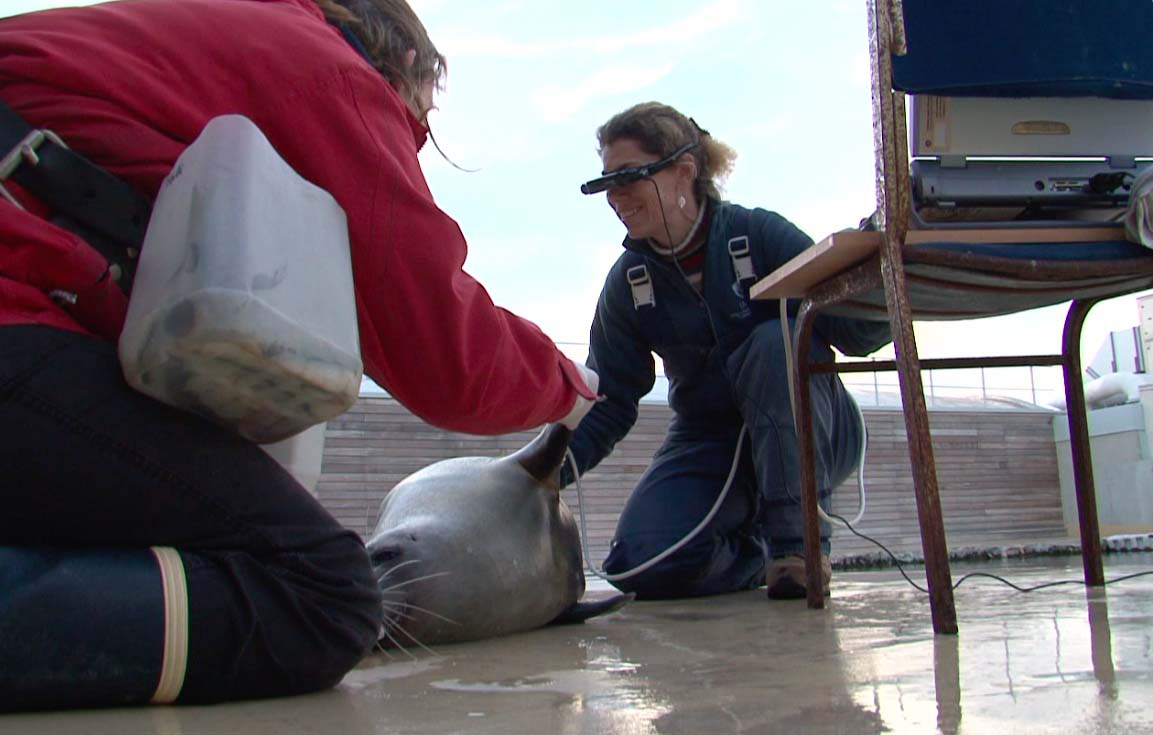
Ultrasound
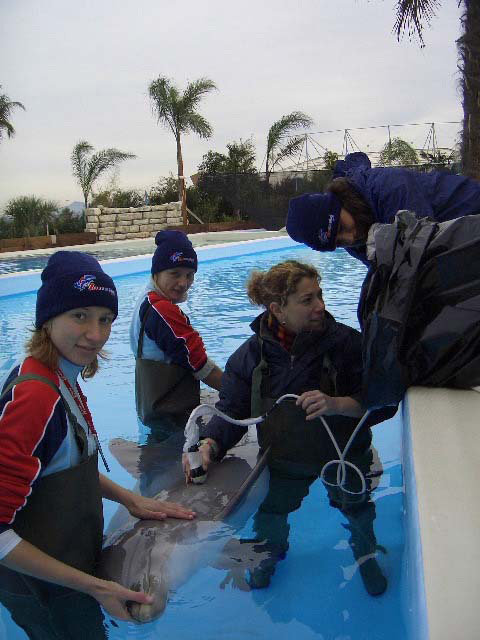
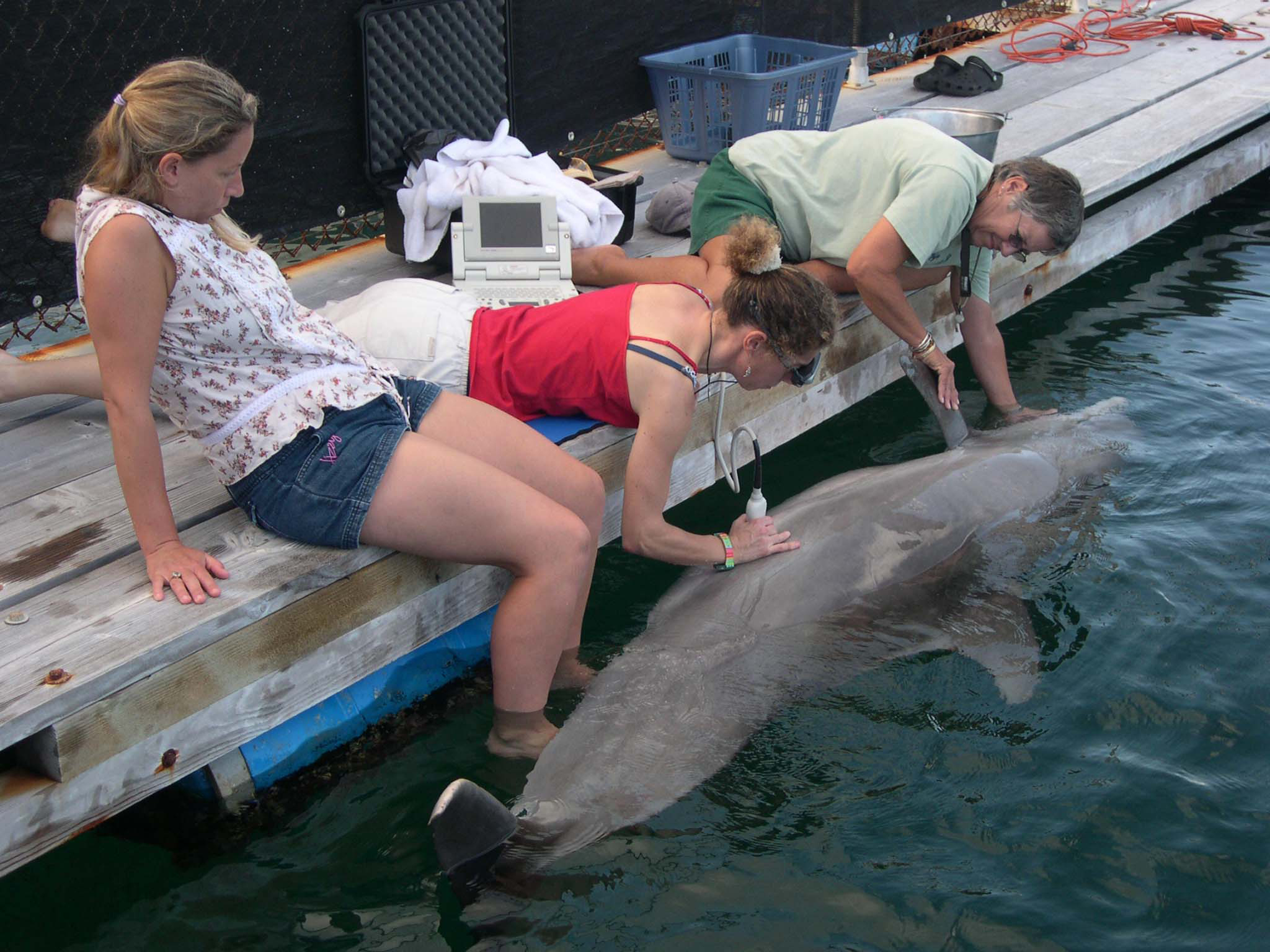
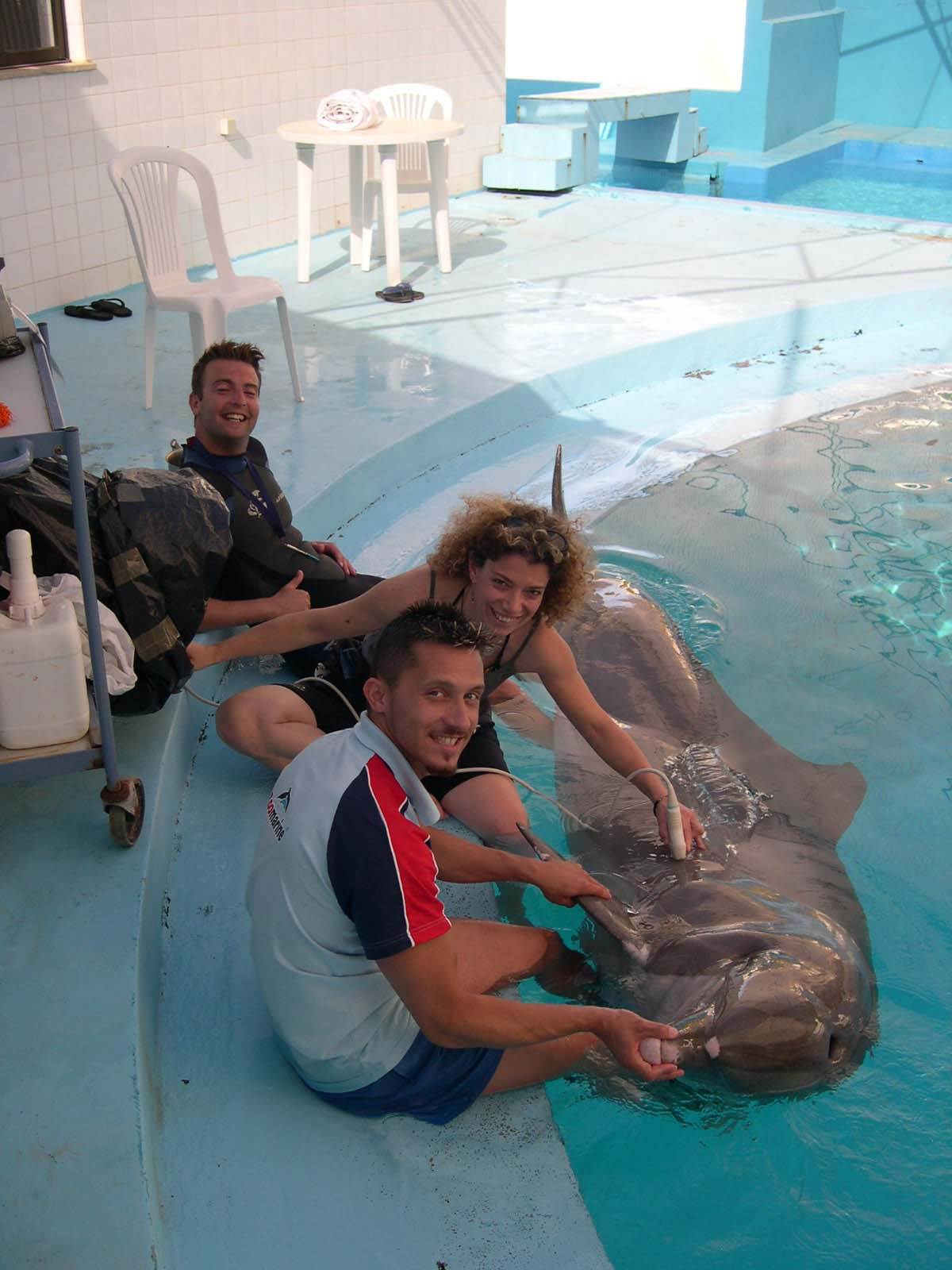
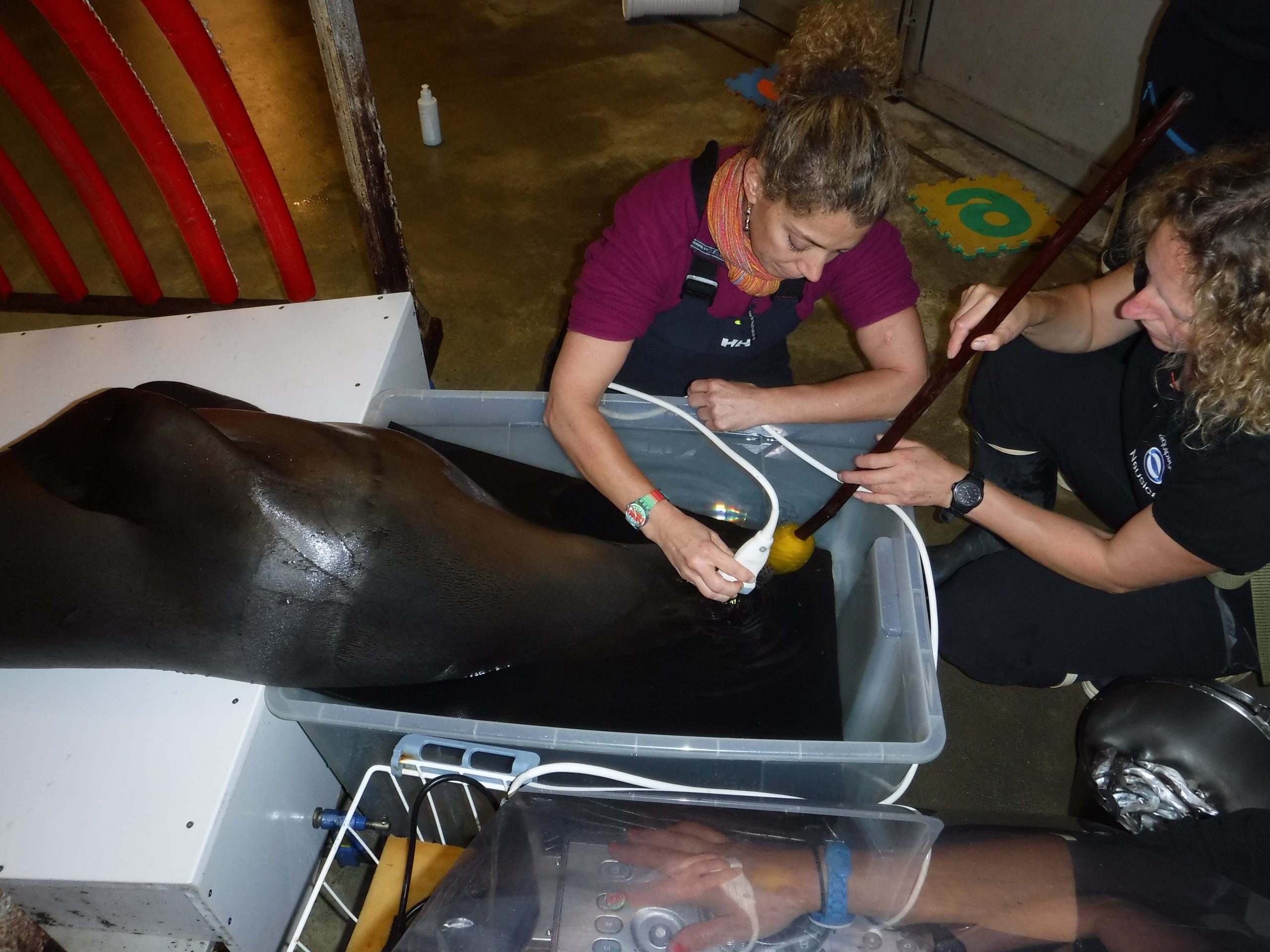
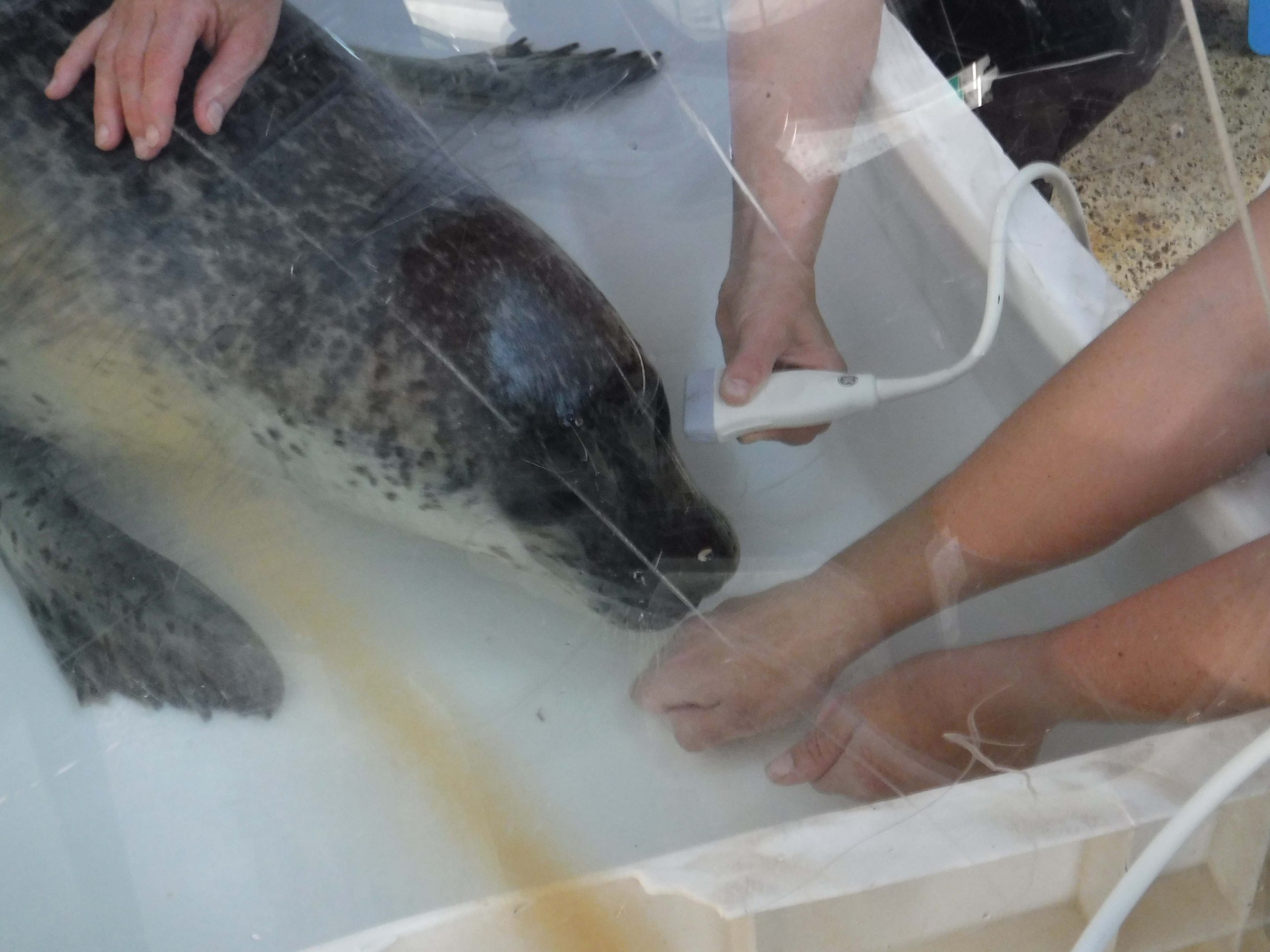
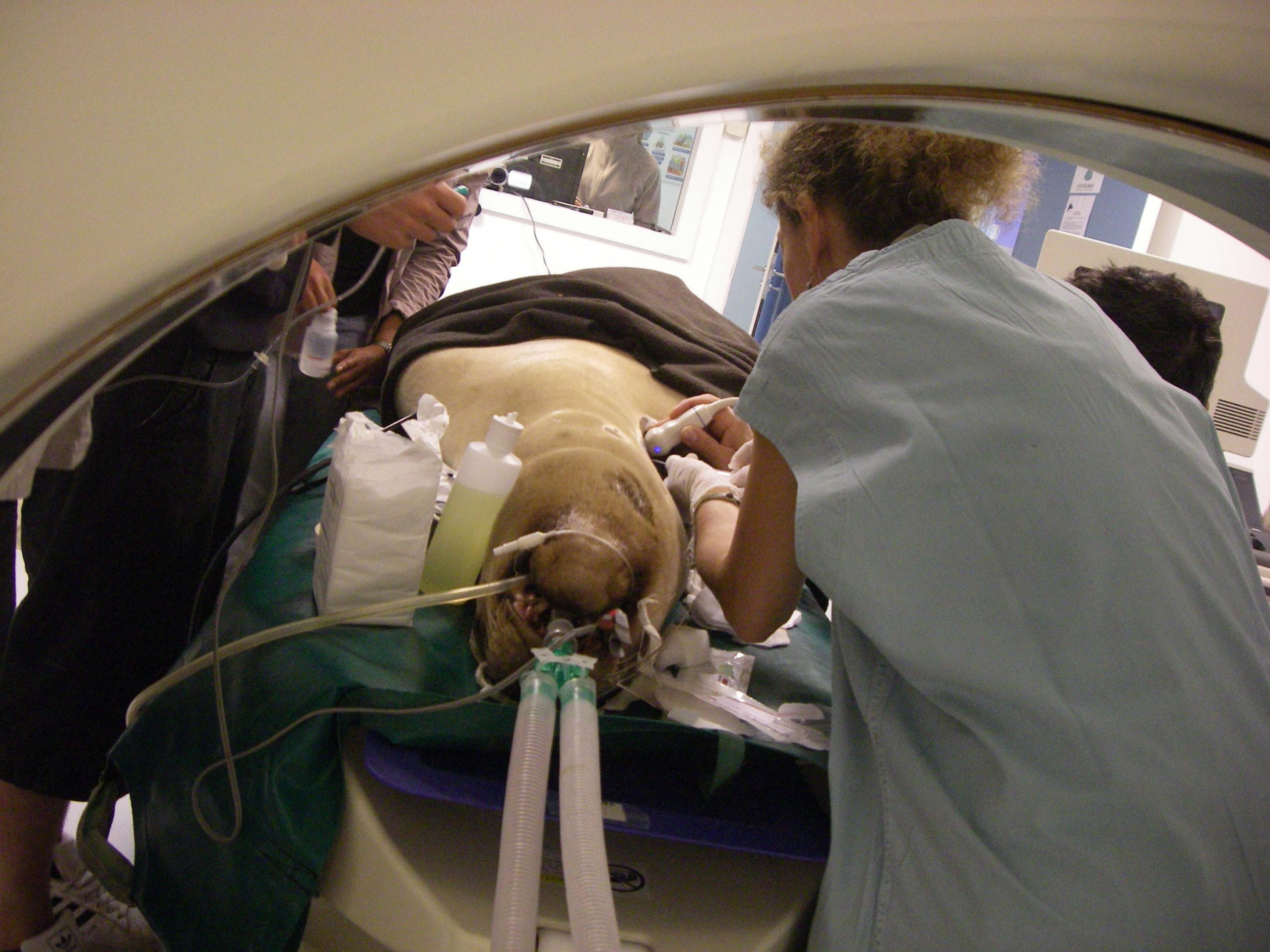
Ultrasound has become a very useful tool for the medical control of marine mammals in the last two decades and is often included in the monthly physical check-ups of many facilities, both for cetaceans and pinnipeds.
While not that long ago, one was happy to just confirm a gestation in a dolphin with ultrasound, it has now become a classical mean to also control and identify potential pathologies in other organs such as lungs, liver, kidneys or the reproductive tract among others, and not the least, the eye. Ultrasound is an indispensable tool for assisted reproduction in cetaceans, whether through cycle identification (follicular development and ovulation) and correct matching, or through artificial insemination.
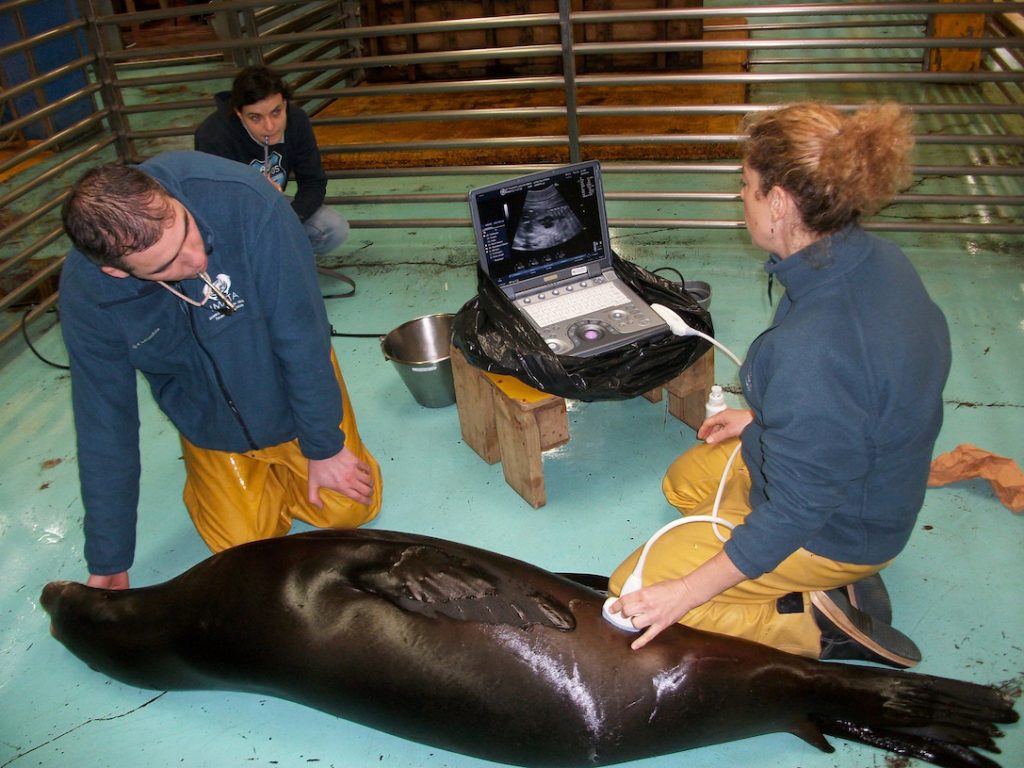
Amneville
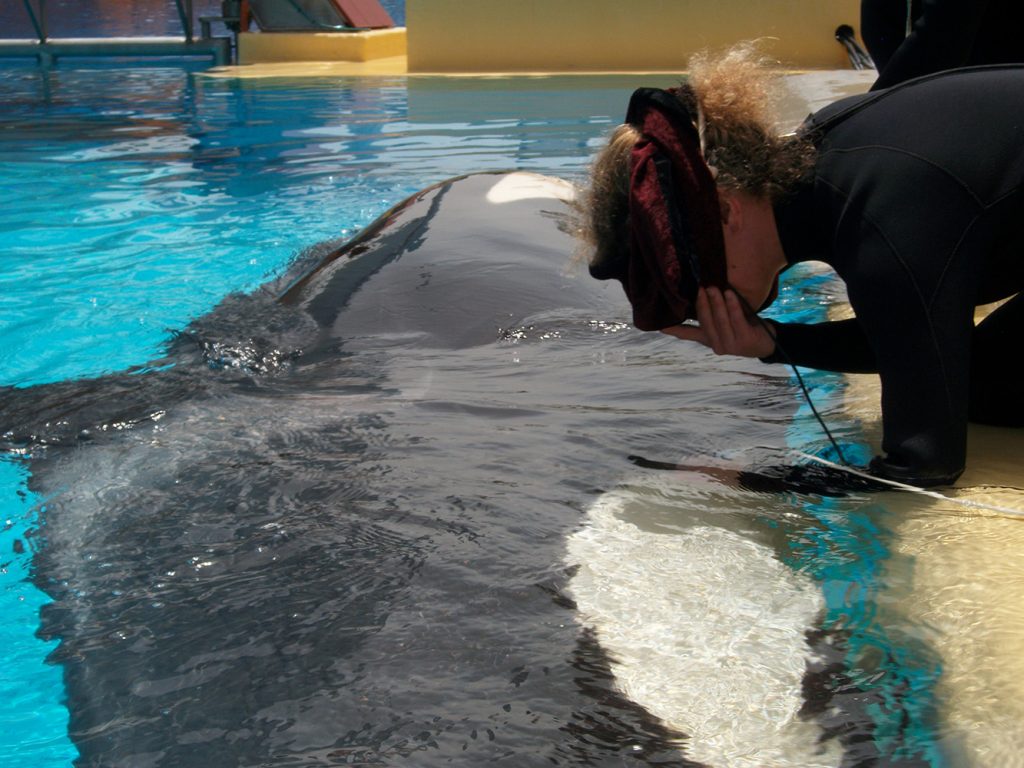
Loro Parque
Very early on in her career, Dr. Lacave was convinced of the use of ultrasonography as a diagnostic tool in marine mammals. It is non-invasive, small portable machines with post-processing possibilities are readily available and frequent repetitions are not a problem. In 2004, and with several colleagues, she published the paper “Prediction from ultrasonographic measurements of the expected delivery date in two species of bottlenose dolphins Tursiops truncatus and Tursiops aduncus”. The excel program has always been freely available and is still the most utilized birth prediction program in those 2 species at the date of today.
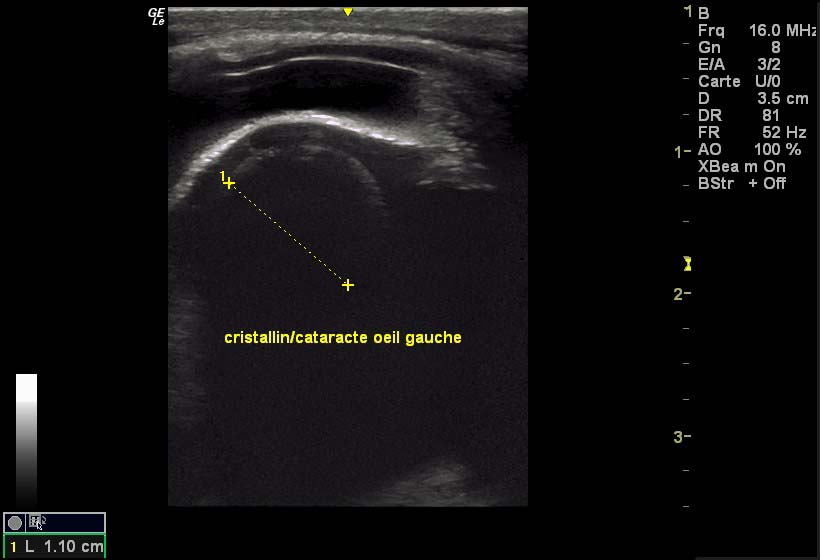
Thanks to the evolution of husbandry care, pinnipeds are now living to an older age in aquaria and zoological institutions and the number of animals affected by cataract, a disease related to age (though a variety of other causes do exist, like genetics or UV light exposure), is becoming more important. Lens luxation is frequent at a mature age and is very painful.
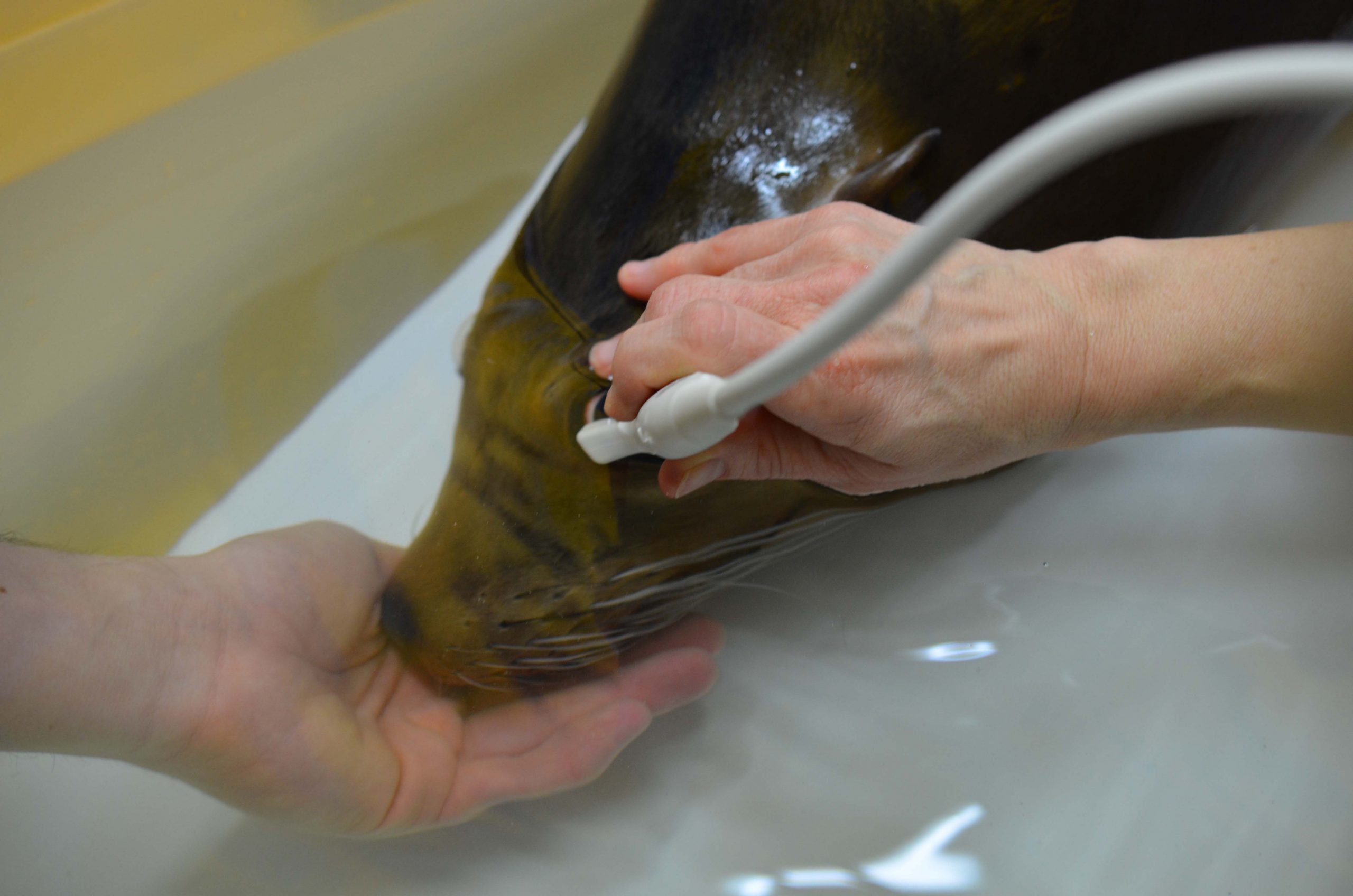
In the last years, and thanks to medical training again, it has been possible to identify cataract development early on in pinnipeds, through voluntary underwater eye ultrasound, and anticipate a surgery before full maturation or luxation.
MMVS offer (among others):
- The ultrasonographic assessment of the reproductive, pleural, digestive, renal or other systems
- Gestation confirmation
- Cycle identification and follow-up in cetaceans
- Birth prediction in dolphins
- Cataract identification
- Review of images/videos
- Courses and workshops on ultrasonography